

PREVENTION AND DIAGNOSIS OF KIDNEY STONES
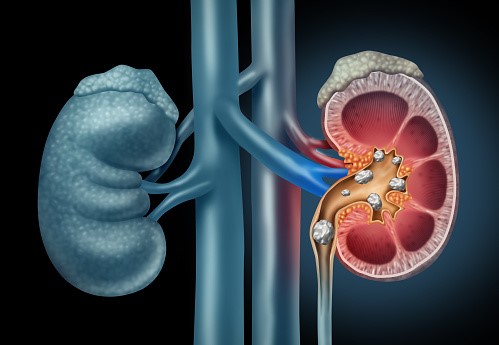
Kidney is one of the essential organs responsible for filtration and elimination of toxins from the body. Kidneys are essential for waste removal and maintaining blood pressure, bodily balance, fluids, and electrolytes. Improper disposal of the waste material from the body by the kidney can lead to the formation of crystals. If this continues, the crystal keeps attracting the elements and chemicals that can join together to form complex and painful kidney stones. This blog post will discuss the precautions to prevent kidney stones and diagnosis by a Private ultrasound clinic London.
- PREVENTION
Experts advise the following precautions that are very easy to follow with mild alterations in our daily lifestyle so that our kidneys can keep functioning properly.
STAY HYDRATED
One of the best and most effective ways to prevent kidney stone formation is to stay hydrated and avoid excessive water deficiency. Your urine production will be modest if you do not drink sufficient. Low urine production makes your urine more concentrated and less likely to dissolve and remove the salts that create crystals.
LIMIT SODIUM INTAKE
It is critical to limit your salt intake. People who consume a lot of salt are more likely to get calcium kidney stones. As the quantity of salt in urine increases, calcium reabsorption diminishes, producing calcium stones.
MODERATE OXALATE INTAKE
Certain foods, such as spinach, soy, coffee, and wheat bran, are high in oxalate. People who consume a lot of oxalate-containing foods are more likely to develop oxalate kidney stones. As a result, such meals should be consumed in moderation.
EAT PROTEIN IN MODERATION
People who are used to eating food rich in protein are at high risk of kidney stones. High protein levels increase the urine’s acidic level, which puts the person at risk of developing stones due to high urea levels and nitrogenous wastes.
- DIAGNOSIS OF KIDNEY STONES:
Kidney stones are diagnosed based on physical examination, the clinical presentation of the patient, and diagnostic tests. Kidney X-rays, CT scans, and ultrasounds are examples of diagnostic testing.
- KIDNEY ULTRASOUND
Ultrasound is one of the most widely used and cost-effective diagnostic procedures for diagnosing kidney stones. Ultrasound is one of the safest methods since it does not use radiation. An ultrasonic transducer emits sound waves that fall on the organs and bounces back to provide a picture of the targeted organ. An ultrasound used to diagnose kidney stones provides information about the kidney stone’s size, position, and shape, allowing the medical practitioner to make an accurate diagnosis in less time. Moreover, kidney ultrasound can be used to perform an ultrasound-guided biopsy or drainage of the fluid from the Abscess and cyst.
If you suspect any kidney pathology contact Private GP London to get detailed and accurate assessment done.


