

Is the Sun Your Skin’s Friend or Enemy? Expert Dermatology Advice from Northway Clinic
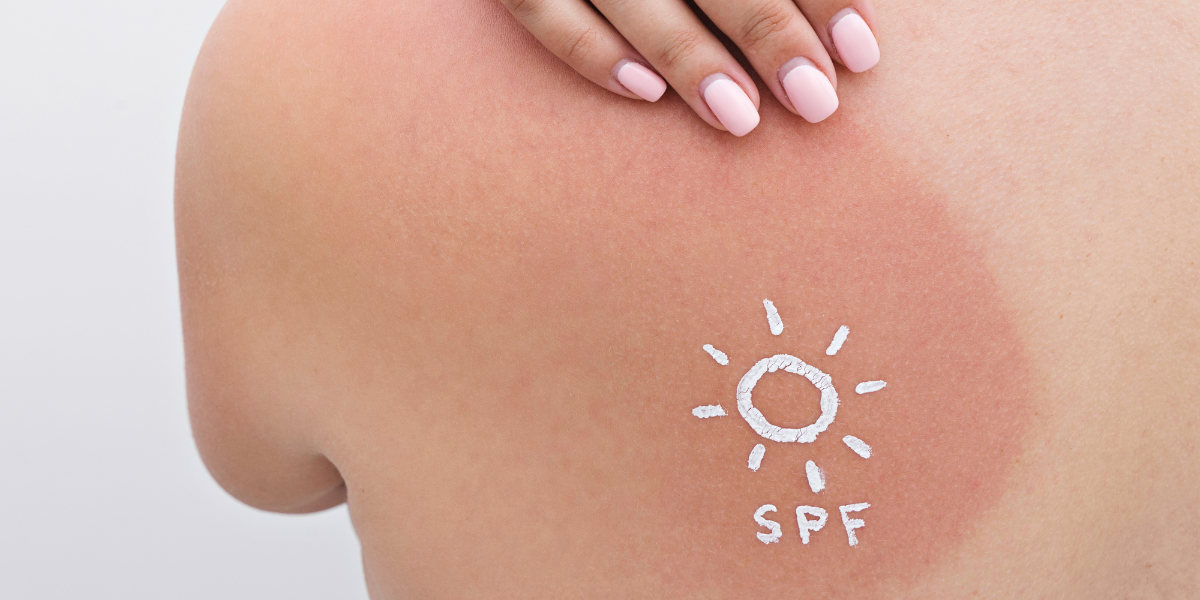
The sun is undoubtedly one of the best highlights of the summer months, and many of us love nothing more than soaking up its warm rays. Beyond giving our mood and energy levels a natural boost, sun exposure helps the body synthesise Vitamin D—a essential nutrient that many of us in the UK are frequently deficient in.
However, as inviting as a hot summer’s day at the beach or park may be, it is crucial not to overindulge. While the sun can feel like a friend, treating it without proper respect can quickly turn it into your skin’s greatest enemy.
Why Sun Damage Can Take Years to Appear
A truth that is too often ignored is that ultraviolet (UV) radiation causes deep, cumulative sun damage to the skin, leading to serious, long-term health consequences. When enjoying the sunshine, it is vital to plan ahead and schedule periodic skin evaluations.
“Did you know that the sun spots and pigmentation patches you notice today are usually determined by the amount of sun exposure you received during your youth?” notes Dermatologist Alicia Ng of Northway Clinic.
When patients are told their pigmentation is sun-induced, they often protest that they haven’t actively sunbathed in years. However, when asked about their younger days, many admit to spending hours baking in the sun, frequently to the point of blistering and peeling.
“Consequently, when a dark spot suddenly appears seemingly out of nowhere, people understandably panic and rush to see a specialist, fearing a skin cancer diagnosis,” explains Dermatologist Alicia Ng. “In many cases, it is simply a delayed visual reminder of your past sun habits catching up with you.”
How UV Exposure Damages Your Skin and The Critical Importance of Sun Protection
Fortunately, public awareness surrounding UV protection and skin safety is steadily growing. Recent patient insights indicate that while most people spend an average of 1 to 2 hours a day in direct sunlight, up to 80% now consider skin protection a high priority.
When looking at how people protect themselves from dangerous UV rays, the most common methods include wearing sun hats or protective headwear, followed closely by the daily application of broad-spectrum sunscreen (SPF).
However, the data also reveal a worrying gap in our habits: more than 30% of people do not take specific care to protect existing moles or other distinct skin lesions when spending time in the sun.
As Dermatologist Alicia Ng emphasises, unsafe exposure to direct sunlight carries a high risk of transforming benign moles into malignant skin conditions. To protect your health, sunshine must be enjoyed in strict moderation and with proper responsibility.
How to Protect Your Skin from Sun Damage: Core Rules for Safe Sun Exposure:
Avoid Peak UV Hours
Limit your time in direct sunlight between 10:00 am and 4:00 pm, when UV radiation is at its most intense.
Apply SPF
Use a high-quality, broad-spectrum sunscreen with an SPF of 30 or higher, ensuring you reapply every two hours.
Wear Protective Clothing
Invest in UV-blocking sunglasses, wide-brimmed hats, and tightly woven clothing.
Shield Existing Moles
Pay extra attention to areas with high concentrations of moles or older sun damage
Why Regular Professional Mole Checks Matter
It is incredibly difficult to visually differentiate between a harmless sun spot (solar lentigo) and a changing mole that might signal a serious underlying issue, such as melanoma.
“Because a mole and a pigmentation spot can look remarkably similar to the untrained eye, a professional dermatoscopy is required,” says Dermatologist Alicia Ng. “This non-invasive diagnostic tool allows us to evaluate how the pigment is distributed, the size and contours of the lesion, and whether any structural asymmetry is present. If it is purely a cosmetic sun spot, we can simply implement a monitoring or removal strategy.”
However, if the clinical assessment reveals a malignant growth, immediate medical intervention is vital.
Most people are unfamiliar with the specific shapes, borders, or colours that indicate a mole is becoming cancerous. Because skin cancer can develop on completely clear skin or within an existing, long-standing mole, relying on guesswork is dangerous.
Schedule an Annual Skin Screening
The best line of defence is professional surveillance. You should book a comprehensive dermatology consultation with a specialist at least once a year to have your full-body skin lesions thoroughly evaluated.
In between visits, practice regular self-examination. Check your skin monthly for any new marks or changes in existing moles. If you notice any bleeding, itching, or rapid shifts in size and shape, act responsibly and seek professional care immediately. Don’t let the sun turn from your favourite summer friend into a threat to your health.
Book Your Dermatology Consultation at Northway Clinic, London
Are you concerned about a new skin spot or overdue for your annual mole check? Protect your skin health by scheduling a comprehensive examination today.
- Expert Care: Consultations and advanced dermatoscopy with an experienced Dermatologists
- Services Available: Full-body mole screenings, skin cancer prevention, and targeted sun spot removal treatments.
More information and online booking are available here.


