

Recognising Azoospermia: Possible Diagnoses and Treatments
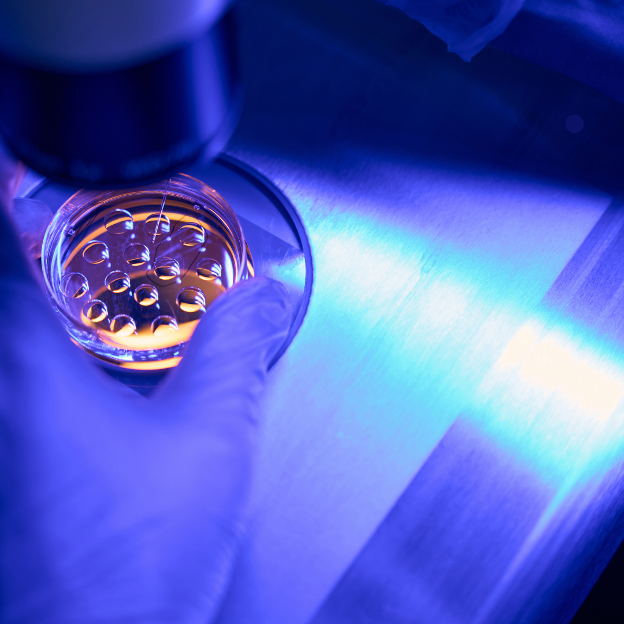
About 1% of males suffer with azoospermia, the medical word for the lack of sperm in semen, which makes up 10% to 15% of cases of male infertility. Although being diagnosed with azoospermia can be upsetting, advances in medical research have made detection and treatment more efficient. With the correct help, many men with azoospermia can become biological fathers.
Azoospermia: What is it?
Based on its underlying cause, azoospermia is divided into two primary types:
1. OA or obstructive azoospermia: In this kind, sperm production in the testes is normal, but sperm cannot reach the ejaculate because of a blockage or obstruction in the reproductive canal. Congenital abnormalities, previous procedures (such as vasectomy), infections, or scarring are some possible causes.
2. Azoospermia non-obstructive (NOA): This kind is brought on by insufficient or nonexistent sperm production in the testes. Testicular injury, hormone imbalances, genetic anomalies, and exposure to chemicals like chemotherapy are some of the causes.
Azoospermia Diagnosis: The Significance of Semen Analysis
A thorough medical history, physical examination, and semen study are the first steps in diagnosing azoospermia. A key component of diagnosing male infertility is Semen Analysis London, which entails looking at a sample of semen under a microscope to evaluate the sperm count, motility, and morphology.
One of the two forms of azoospermia may be indicated by the lack of sperm in the sample. But in order to identify the root reason, other tests are frequently needed:
Repeat Semen Analysis: Because the number of sperm can change over time, it may be necessary to analyse many semen samples to confirm the diagnosis.
The assessment of testicular function and the detection of any hormonal imbalances are aided by blood tests and STD Testing London that evaluate hormones like testosterone, luteinizing hormone (LH), and follicle-stimulating hormone (FSH), helping to rule out any underlying infection.
Genetic Examination: NOA may be brought on by specific chromosomal abnormalities or genetic alterations, such as Y chromosome microdeletions or Klinefelter syndrome.
Scrotal Ultrasound: Imaging can assist in identifying reproductive organ injury, anomalies, or obstructions.
This is a testicular biopsy. To assess sperm production directly in the testes, a biopsy may be done in situations of NOA.
Azoospermia Treatment Options:
There are therapeutic options for both obstructive and non-obstructive forms of azoospermia, which is good news for men with this condition. A precise diagnosis and knowledge of the underlying cause are essential for a successful course of treatment.
Obstructive Azoospermia Treatment:
Because they frequently produce sperm normally, men with OA are good candidates for treatments that try to get around or fix the obstruction:
Surgical Interventions:
In cases of obstructions, procedures such as epididymovasostomy or vasovasostomy (vasectomy reversal) can restore sperm flow.
Techniques for Retrieving Sperms: With techniques like testicular sperm extraction (TESE) or percutaneous epididymal sperm aspiration (PESA), sperm can be extracted straight from the testes or epididymis. In vitro fertilisation (IVF) and intracytoplasmic sperm injection (ICSI) are two assisted reproductive technologies (ART) that can use recovered sperm.
Non-obstructive Azoospermia Treatment:
Even though NOA poses more difficulties, many men now have more options thanks to advancements in reproductive medicine:
Hormonal Treatment: Treatment with drugs like clomiphene citrate or human chorionic gonadotropin (hCG) may increase sperm production if hormonal abnormalities are found.
Testicular function can be enhanced by addressing lifestyle factors such as smoking, obesity, excessive alcohol intake, and exposure to environmental pollutants.
The process of surgically retrieving sperm Some men create little pockets of sperm inside their testes, even when they have NOA. It is possible to retrieve these sperm for use in ART using sophisticated methods like micro-TESE.
Donor Sperm: Using donor sperm can be a good way to create a family for men who are unable to generate viable sperm.
Hope for the Future:
Treatments for male infertility are developing quickly, giving azoospermia patients hope. Future treatments to restore fertility are being investigated using cutting-edge technology like gene editing and stem cell therapy.
Counselling and Emotional Support:
Individuals and couples may experience mental distress after receiving an azoospermia diagnosis. During the diagnostic and treatment process, open contact with medical professionals, counselling, and support groups can all offer important emotional and psychological support.
Although azoospermia is a complicated condition, it is not unsolvable. Men now have the opportunity to overcome infertility and become biological fathers because of advancements in diagnostics, such as Semen Analysis London, and treatment choices, such as ART and surgical procedures. See a fertility professional right now if you or a loved one is experiencing azoospermia to learn more about customised treatments and start the process of creating the family you have always dreamed of.


