

The Cost of a Life: Why Early Melanoma Detection Can Save Yours
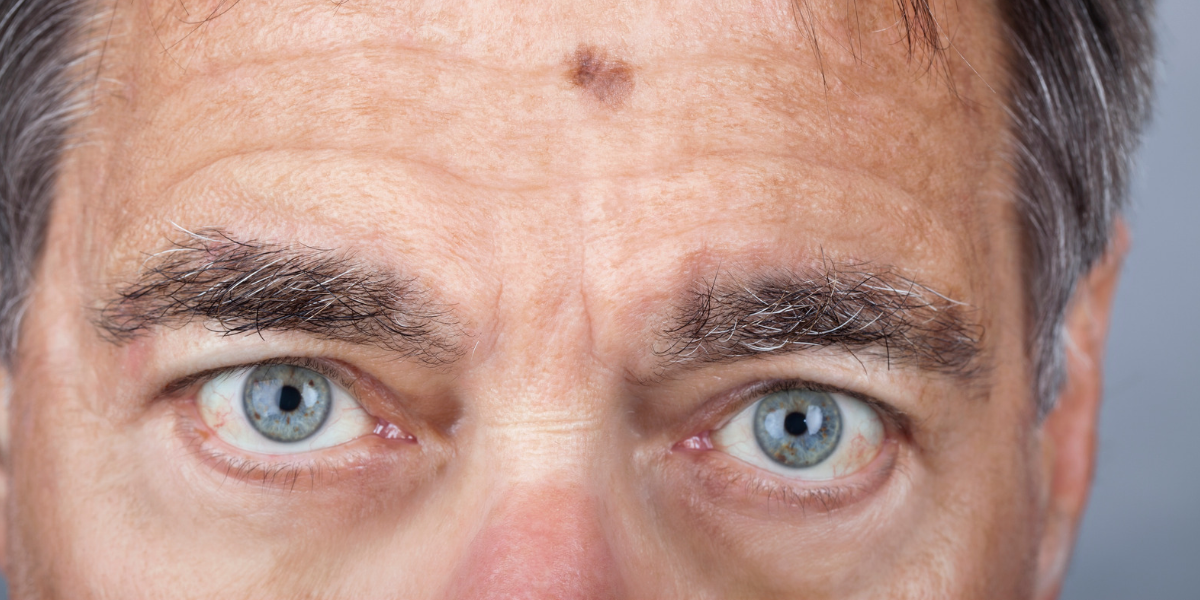
Learn why the most dangerous skin cancers often don’t start as typical moles, how to spot hidden warning signs, and when to book a private mole check in London.
One of dermatology’s most persistent misconceptions is that melanoma only develops from an existing mole you have had for years.
Clinical oncologists and dermatologists often observe that many of the most aggressive, fast-spreading melanomas don’t arise from existing moles at all. Instead, they emerge unexpectedly on previously clear skin—disguised as an inconspicuous pigment spot, a persistent blemish, an unexplained bruise, or a lesion that simply refuses to heal.
Because melanoma spreads through the blood and lymphatic systems so quickly, timing is everything. Recognising early changes and seeking a rapid, specialist assessment can literally be the difference between a routine minor excision and a life-threatening illness.
Melanoma in the UK: What the Data Shows
While the UK is hardly renowned for tropical weather, skin cancer rates across the country have steadily climbed:
- Over 19,000 New Diagnoses Annually: Malignant melanoma is the 5th most common cancer in the UK, accounting for over 50 new diagnoses every single day.
- A 30% Decade-Long Surge: Incidence rates in the UK have risen by roughly a third over the past decade, largely attributed to recreational sunbeds and intermittent, high-intensity UV exposure during sunny holidays.
- The Stark Reality of Staging: Oncology survival data show that when melanoma is caught at Stage 1, the 5-year survival rate is almost 98%. If diagnosis is delayed until Stage 2, that figure drops to roughly 74–75%, and plummets to just 21% by Stage 4.
- 86% Preventable: Most melanomas are directly linked to DNA damage caused by UV radiation.
Where Does Melanoma Hide?
Many people assume skin cancer appears only in sun-exposed areas like the face or nose. In reality, melanomas frequently develop on areas typically shielded by day-to-day clothing:
- In Men: Most commonly diagnosed on the back and chest.
- In Women: Most frequently found on the legs and arms.
A suntan isn’t a marker of vitality; it is the body’s acute cellular defence against DNA damage. Over time, UV damage accelerates skin ageing, causes chronic dryness, and triggers cellular mutations that can lay dormant before manifesting years later.
Overcoming the “Wait and See” Trap
Why do people delay getting checked?
Human psychology often plays tricks when it comes to health: “Maybe it will look better tomorrow,” or “I’ll wait and see if it goes away on its own.”
Men, in particular, are statistically more prone to postponing medical evaluations, often presenting to specialists only after a lesion has ulcerated, enlarged, or started to bleed. By that stage, surgical options become vastly more complicated.
You should arrange an immediate clinical review if an existing or new lesion:
- Changes shape, border, or colour.
- Grows rapidly.
- Begins to itch, crust, ooze, or bleed.
- Resembles an “ugly duckling”—looking visibly different in colour or texture from every other marking on your body.
- Appears after an unexamined removal: Be cautious of having atypical spots, “scabs,” or blemishes removed for cosmetic reasons without a formal histological evaluation.
Why a Professional Dermatoscopy is Essential
Relying solely on visual self-examinations in a bathroom mirror is never foolproof. Early-stage superficial melanomas can look deceptively benign to the naked eye.
At a specialist clinic, dermatologists use high-resolution polarised dermatoscopy. This handheld diagnostic tool magnifies the skin lesion while eliminating surface light reflection, allowing clinicians to evaluate subsurface pigment networks, cellular symmetry, and deeper vascular patterns not visible to the naked eye.
Crucially, dermoscopy not only identifies dangerous lesions early—it also prevents unnecessary surgery by confirming when unusual-looking marks are harmless.
Private Skin Checks & Mole Removal at Northway Clinic London
Long NHS referral timelines can lead to unnecessary anxiety when you notice a changing mark or an unexplained lesion. At Northway Clinic London, we provide fast, direct access to experienced dermatologists with no referral needed.
- Specialist Mole Checks & Full-Skin Reviews: Detailed dermatoscopic evaluations of specific areas of concern or comprehensive head-to-toe screenings.
- Minor Surgery: We can expertly excise suspicious or irritating lesions under local anaesthetic during your visit.
- Mandatory Histopathology: We send every excised lesion to an accredited UK laboratory for definitive cellular analysis, ensuring clarity and peace of mind.
- Central East London Location: Easily accessible for London professionals and families seeking rapid appointment turnarounds without the waiting list.
Do Not Delay Your Skin Health
If you have a changing mole, a new dark spot, or a lesion that won’t heal, don’t wait for symptoms to worsen. Early action is straightforward, minimally invasive, and life-saving.
Book a dermatoscopy consultation at Northway Clinic London today.


