

Examining the Relationship between Stress and Hair Loss
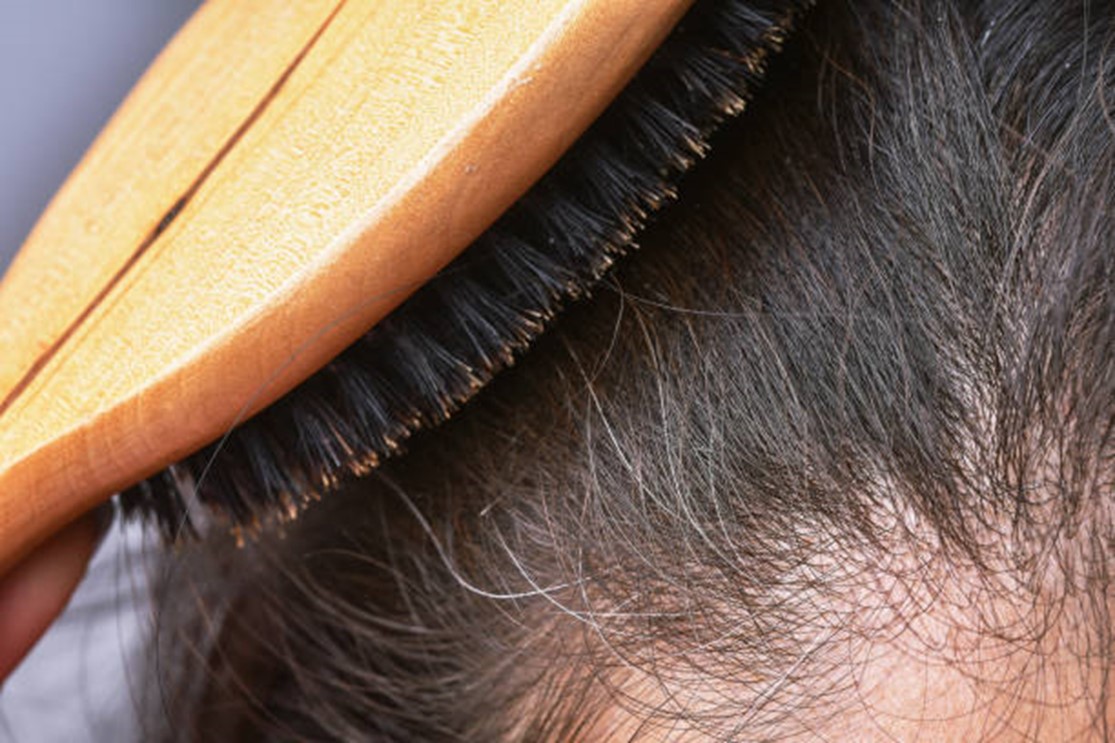
It can be upsetting to have hair loss, and many people find it difficult to comprehend the causes of it. According to Private GP London Stress is one important component that has drawn attention recently. Research indicates that stress is a major component in both initiating and aggravating hair loss, even though it can be caused by a variety of physiological and environmental variables. We will examine the relationship between stress and hair loss in this blog, including how stress affects hair health, the forms of stress-related hair loss, and management techniques for both.
The Impact of Stress on Hair Growth:
The phases of anagene (growing), catagene (transition), and telogene (resting) are the cycles in which hair grows. Stress can throw off this cycle, especially by forcing more hair follicles into the telogen phase, which increases the amount of hair that sheds. When a large percentage of hairs prematurely enter the resting phase, it causes obvious hair loss and is referred to as telogen effluvium.
Your body releases stress hormones like cortisol and adrenaline when you are under stress. Increased amounts of these hormones have the potential to impact hair growth among other physiological processes. Prolonged stress can cause inflammation and interfere with hair follicles’ ability to function normally, which may cause hair loss or thinning.
Techniques to Control Stress and Hair Loss:
Take into account the following techniques to manage stress and hair loss if you believe that stress is having an adverse effect on the health of your hair.
Reducing stress can be achieved by engaging in mindfulness and meditation practices. Relaxation and general wellbeing can be enhanced by methods including progressive muscle relaxation, guided visualisation, and deep breathing. For guided practices, apps such as Calm or Headspace can be excellent resources.
Frequent Exercise: Being physically active helps to relieve stress. Regular exercise improves your mood through the release of endorphins, a sense of accomplishment, and improved blood flow to the scalp, all of which encourage healthy hair. Exercises that mix mindfulness and movement, like tai chi or yoga, also help people feel less stressed.
Balanced Diet: Keeping good hair is mostly dependent on eating a well-balanced diet. A diet rich in vitamins and minerals, such as biotin, zinc, iron, and vitamin D, is crucial for healthy hair development. Omega-3 fatty acids, found in fish, flaxseeds, and walnuts, can also help reduce inflammation connected to stress.
Sufficient Sleep: Insufficient sleep can worsen stress and cause hair loss. To give your body time to heal and renew, try to get between seven and nine hours of good sleep every night. Better sleep can be achieved by establishing a regular bedtime and minimising screen usage before bed.
Expert Support: If stress becomes unbearable or if hair loss persists, consider seeking support from a healthcare expert. A dermatologist can assist with hair evaluation, and a therapist can offer coping mechanisms.
If you’re experiencing increased hair loss and stress is contributing to the issue, there’s no need to worry. Visit Private Dermatologist London today to receive a tailored treatment solution that addresses your specific needs.


