

LET’S TALK ABOUT ACOUSTIC NEUROMA
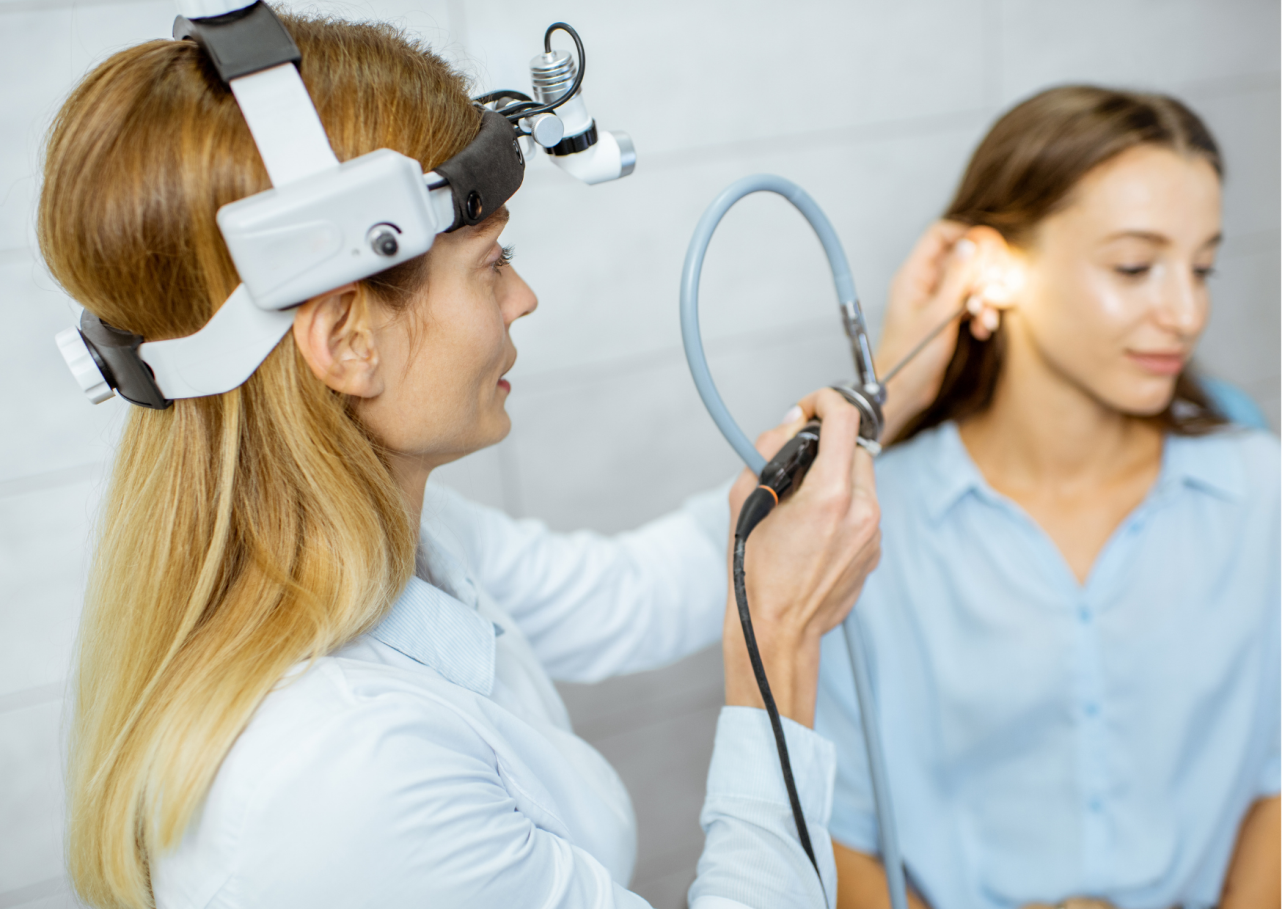
There are 12 cranial nerves in the human body. Each nerve is responsible for vital neurological functions. The vestibulocochlear, also known as the eighth cranial nerve, consists of vestibular and cochlear nuclei. This eight cranial nerve is responsible for providing information about body movement, eye movement, and hearing. If any abnormality occurs in the vestibulocochlear nerve, there can be hearing loss and balance loss followed by severe complications. In this blog post, we will discuss a noncancerous benign tumour of the vestibulocochlear nerve known as acoustic neuromas.
INTRODUCTION:
Acoustic neuromas, also known as vestibular schwannomas, are benign tumours that form in the ear and can lead to impaired hearing and balance. Acoustic neuromas are caused by Schwann cells that coil around and maintain nerve fibres; therefore, they are named vestibular schwannomas. Schwannomas can develop on any cranial or peripheral nerve in the body; however, acoustic neuromas are the most frequently occurring in the brain.
CAUSES OF ACOUSTIC NEUROMAS:
An acoustic neuromas exact cause is uncertain. The majority of cases appear to originate for no apparent reason. Genetic mutations can arise, which can lead to uncontrolled Schwann cell growth. Long-term exposure to harmful radiations and loud noises are potential risk factors for acoustic neuromas.
SYMPTOMS:
Acoustic neuromas can be difficult to identify in its early stages since signs and symptoms can be easily overseen as it develops slowly over time. Acoustic neuromas can present with the following symptoms
- Asymmetric hearing loss
- tinnitus is known as ringing sensation in the affected ear
- dizziness and vertigo
- loss of coordination
- loss of balance and trouble walking
- sensitivity to visually busy environments
DIAGNOSIS OF ACOUSTIC NEUROMAS:
Based on your symptoms and physical assessment, your ENT doctor will advise following test for diagnosis:
- Audiometry
- Vestibular function test
- MRI scan
COMPLICATIONS OF ACOUSTIC NEUROMAS:
If left untreated, an auditory neuromas can grow large enough to put pressure on the brain stem. The tumor can impede the flow of cerebrospinal fluid (CSF) between the brain and the spinal cord, resulting in fluid buildup in the brain. The excessive buildup of CSF can lead to hydrocephalus, ataxia, and further neurological problems.
TREATMENT OF ACOUSTIC NEUROMAS:
According to ENT DOCTOR LONDON, various treatment options are available for curing acoustic neuromas based on the size and location of the tumor and severity of symptoms. The following options can be followed according to the patient’s condition.
- Observing and monitoring the tumor
- Surgery
- Radiation treatment
- Vestibular rehabilitation after removal of the tumor.
Research is still ongoing to find out the exact cause of acoustic neuromas and their physiology; furthermore, researchers are trying to develop more effective treatment options for acoustic neuromas with fewer post-treatment complications.
ENT CLINIC LONDON offers detailed assessments and accurate diagnoses for patients having relevant symptoms. Contact us now to get yourself examined.


